In This Guide
The weekly podcast grind is brutal. Every week you need a guest, a topic, recording time, editing time, and publishing logistics. Most corporate and creator podcasts fail not because the content is bad, but because the production cadence is unsustainable. Recording retreat solve this problem by compressing months of production into a focused, inspired few days at a professional studio.
Nashville has become the destination of choice for podcast recording retreats, and for good reason. The city is home to world-class recording studios, professional audio engineers, and a creative atmosphere that elevates content quality. When you combine a professional recording studio with luxury estate accommodation, you get a retreat that is as enjoyable as it is productive.
Why Podcast Recording Retreats Are Replacing Weekly Recording
The traditional approach to podcast production — recording one episode per week — is inefficient by design. You context-switch between podcast work and everything else. You set up and tear down equipment every session. You warm up your voice and energy every time. A recording retreat eliminates all of this friction by batching the creative work into a concentrated period.
Batch Efficiency
Record 10-15 episodes in 3 days versus 10-15 weeks of weekly recording. The time savings are enormous.
Consistent Quality
Studio environment and professional engineering ensure every episode sounds identical — no more quality variance between episodes.
Creative Momentum
By episode 3 you are in the zone. The creative flow state that emerges during batch recording produces better content than isolated weekly sessions.
Content Calendar Relief
Return from a 3-day retreat with 3 months of content ready to publish. The mental relief of having a content backlog is transformative.
How a Podcast Recording Retreat Works
The structure is straightforward but requires pre-planning to maximize studio time.
Pre-Retreat (2-4 weeks before)
Outline all episode topics, confirm guest schedules (remote or in-person), write talking points or scripts, and prepare any research. The more preparation you do before the retreat, the more episodes you produce during it.
Day 1: Setup & Solo Episodes
Arrive at the estate, settle in. Afternoon studio session focused on solo episodes, intros, outros, and recurring segments. These are the easiest to record and serve as warm-up. Evening: review the next day's guest schedule and prep.
Day 2: Guest Episodes
Full day of guest recording — either with guests who travel to Nashville or via remote connection into the studio. A professional studio setup with remote guest recording is dramatically better than two people on Zoom. Plan 60-90 minutes per episode including breaks.
Day 3: Final Recording & Review
Morning session for any remaining episodes, pickup recordings, and special segments. Afternoon: review raw recordings with the engineer, discuss editing notes, and plan the publication schedule. Depart with confidence that 3 months of content is handled.
Planning Your Podcast Recording Retreat
Successful retreats require 3 to 4 weeks of pre-production. Here is the essential checklist.
Define the number of episodes you want to produce (be realistic: 3-5 per day)
Outline every episode topic with talking points or full scripts
Confirm all guest availability and schedule recording windows
Book studio time with an engineer who understands podcast production
Arrange accommodation close to the studio (or choose a venue with both)
Prepare episode artwork and metadata templates for efficient publishing
Test remote guest connections at least one week before the retreat
Build a detailed day-by-day recording schedule with 15-minute buffers between sessions
Professional Studio vs. DIY Recording
The quality gap between studio and home recording is dramatic, and for brands investing in podcast content, the upgrade is well worth it.
| Factor | Home/Office | Pro Studio |
|---|---|---|
| Audio Quality | Acceptable with good equipment | Broadcast-ready, pristine |
| Background Noise | HVAC, traffic, office sounds | Completely isolated |
| Consistency | Varies by session and location | Identical across all episodes |
| Remote Guests | Zoom quality with artifacts | Professional ISDN or Source-Connect |
| Engineering | Self-mixed, amateur level | Professional engineer in real-time |
| Post-Production | Needs extensive editing | Minimal editing required |
The ROI Case for Podcast Retreats
A 3-day podcast retreat at a Nashville studio costs approximately $3,000 to $8,000 depending on studio quality and accommodation. That sounds like a lot until you calculate the alternative: 12 weeks of weekly recording at 4 hours each (recording + editing) equals 48 hours of production time. At a blended team cost of $75/hour, that is $3,600 in labor alone — plus the opportunity cost of context switching and the quality sacrifice of non-professional recording.
The retreat produces the same 12 episodes in roughly 20 focused hours, at higher quality, with professional engineering, and with the added benefit of team bonding and creative inspiration. For companies serious about podcast content, quarterly recording retreats are the most efficient production model available.
For teams interested in combining podcast production with broader content creation retreats, Nashville offers an unmatched combination of studio infrastructure and visual production capabilities.
Frequently Asked Questions
How many podcast episodes can we record in a retreat?
Most teams produce 8 to 15 episodes in a 3-day retreat, depending on episode length and format. Interview-style shows can often record 4-5 episodes per day. Solo shows or panel discussions may produce 3-4 per day. The key is having guests and topics pre-planned so studio time is used efficiently.
Do we need to bring our own equipment?
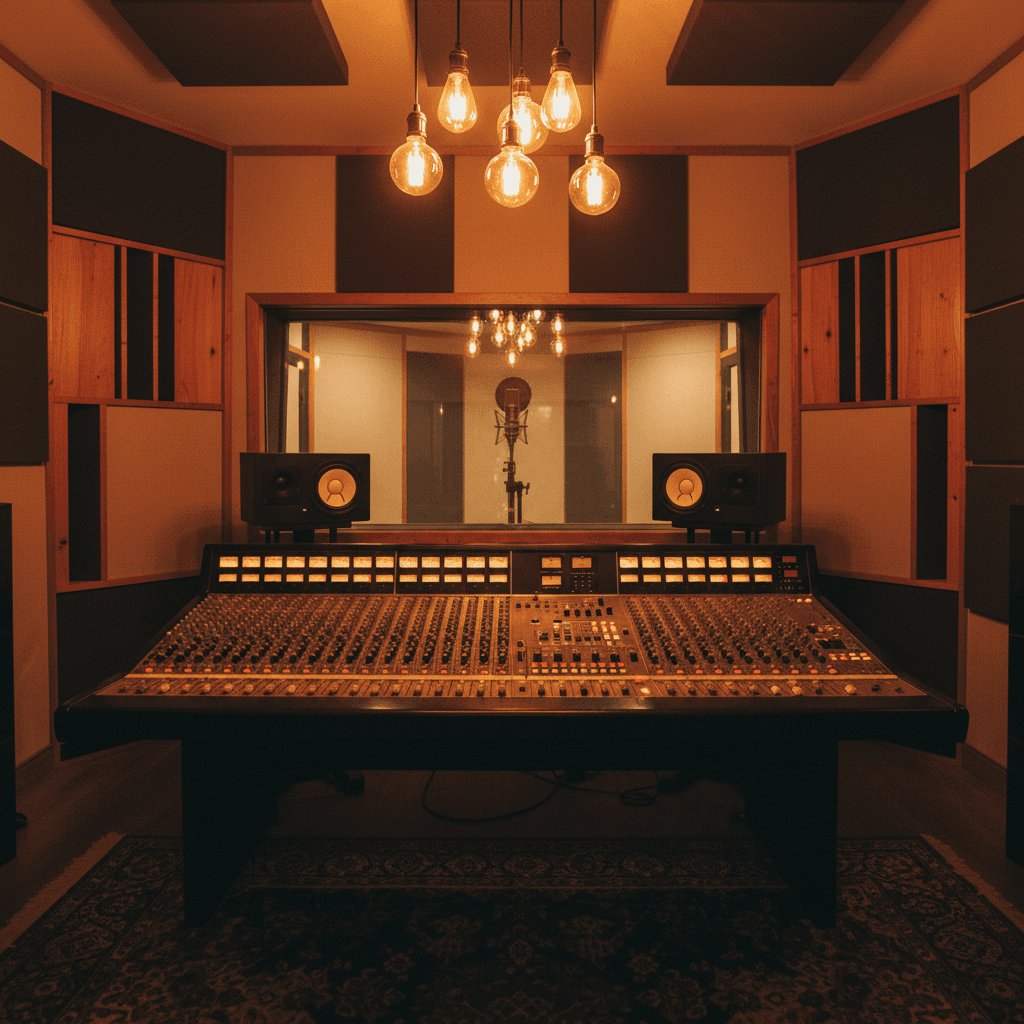
No. Professional Nashville studios provide all equipment — microphones, headphones, mixing boards, recording software, and acoustic treatment. The studio engineer handles all technical setup. You just show up with your notes and your voice.
What is the quality difference between studio recording and remote recording?
Night and day. Professional studio recordings have clean, broadcast-quality audio with no background noise, echo, or connection artifacts. Listeners can immediately tell the difference, and professional audio quality significantly impacts audience retention and perception of your brand.
Produce Months of Content in Days
The Rosarium's on-site recording studio and luxury estate create the perfect podcast recording retreat experience.